
Not Ready to Lease a Business Property? Here Are Flexible Alternatives That Scale With You
The Short Answer: Signing a commercial lease is a significant commitment, and for a lot of businesses, it’s simply not the right move yet. The good news is that flexible alternatives exist that give you professional space, real credibility, and room to grow without locking you into a long-term agreement you might outgrow or regret. The best workspace for your business right now may not involve a landlord at all.
Why Business Owners Are Rethinking the Traditional Office Lease
Leasing commercial property used to feel like a milestone. A real address, a dedicated space, a signal that your business had arrived. But for growing companies, startups, and distributed teams, a traditional commercial lease often creates more pressure than it relieves.
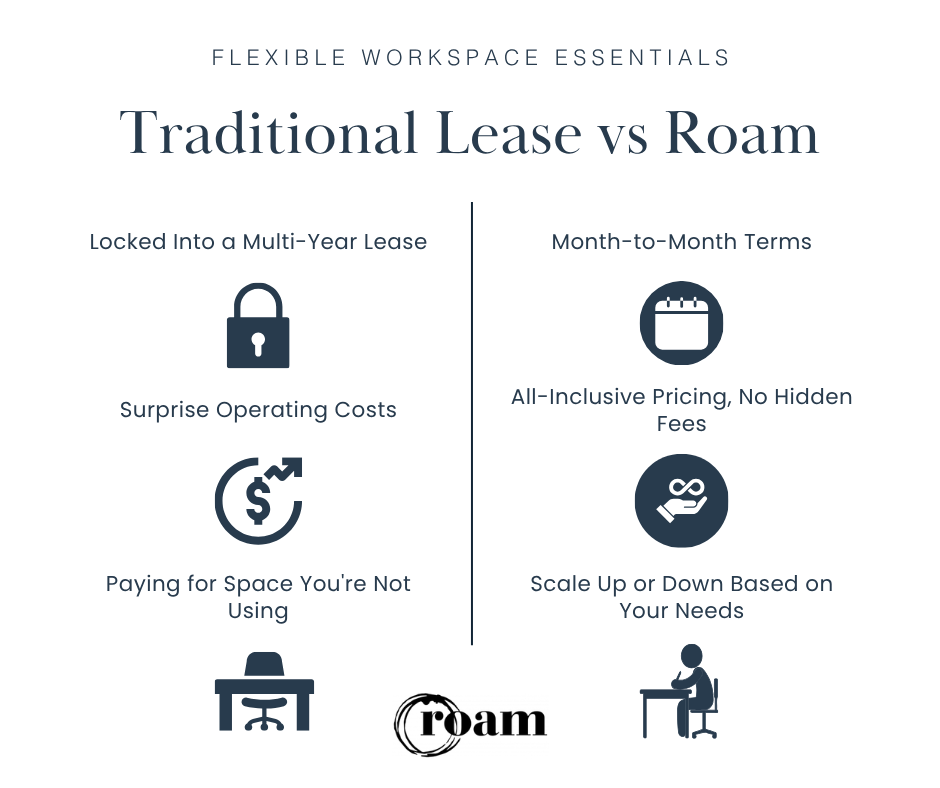
Here’s what signing a standard lease agreement actually involves:
- A long lease term, often three to five years or more
- A substantial down payment or security deposit
- Base rent that escalates over time
- Responsibility for operating costs under a net lease or triple net lease structure
- Potential liability for leasehold improvements and build-out costs
- Property tax obligations depending on lease type
- Long-term commitments that may not align with your long-term goals
For an early-stage business owner or a team that operates remotely most of the time, that list can feel paralyzing. Cash flow is tight. Needs change fast. Locking into a rigid lease term before you know exactly what your business requires is a risk many companies are no longer willing to take.
The Real Costs of Leasing Commercial Space Too Soon
Before exploring alternatives, it helps to understand what you’re actually sidestepping when you choose not to sign a commercial lease prematurely.
The Financial Weight
Commercial real estate costs vary significantly by market, but the financial exposure is real regardless of location. Beyond base rent, a triple net lease passes property tax, insurance, and maintenance costs directly to the tenant. A modified gross lease splits some of those expenses, but you’re still carrying more than just rent. Factor in office furniture, technology infrastructure, and any substantial improvements to the leased property, and the upfront investment climbs fast.
For a business with variable revenue or a team that doesn’t need a fixed location five days a week, that level of financial commitment can squeeze cash flow at exactly the moment you need flexibility.
The Operational Lock-In
Lease agreements are legally binding contracts. Breaking one early typically means paying out the remaining lease term or negotiating a costly exit with the property owner. If your team grows faster than expected, your square footage may become inadequate. If growth slows, you’re still paying for space you’re not fully using. Either way, the lease dictates your options more than your business does.
What You’re Actually Paying For
A lot of what drives the cost of commercial space has nothing to do with what you actually need day to day. You’re paying for square footage that sits empty on slow weeks. You’re covering operating costs tied to a building you don’t own. You’re managing a tangible asset that requires ongoing attention. For many businesses, the math simply doesn’t work.
Flexible Alternatives Worth Considering
The good news is that the commercial real estate market no longer represents the only path to a professional business location. Several alternatives have matured significantly and now serve as legitimate long-term solutions for businesses of all sizes.
Coworking Memberships
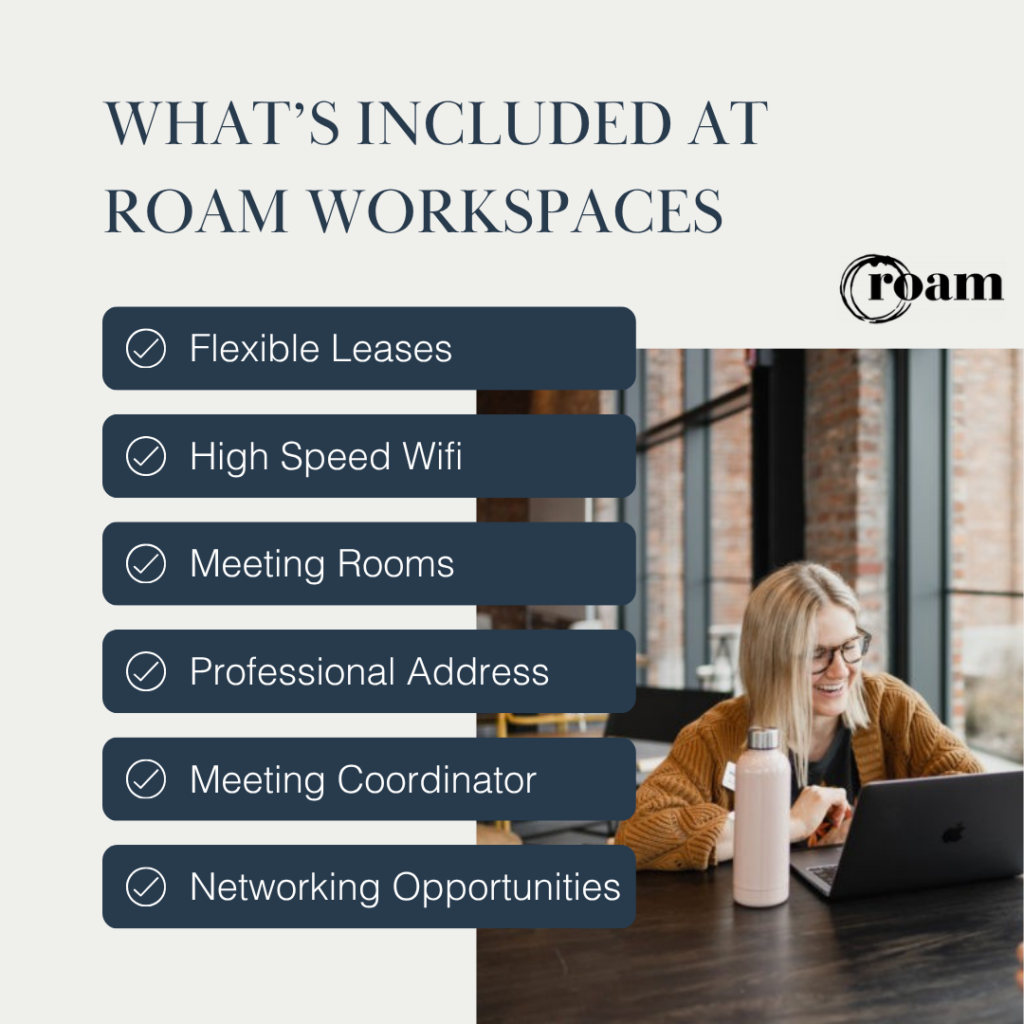
A coworking membership gives you access to a professional workspace, a business address, and a community without any of the obligations that come with leasing. Month-to-month structures mean you scale up or step back based on what your business actually needs. There are no leasehold improvement negotiations, no property owner approvals, and no surprise operating cost adjustments.
For remote workers, freelancers, and small teams, coworking spaces offer the kind of focused environment that a home office rarely provides, without the overhead of a dedicated commercial space.
2. Private Offices on Flexible Terms
Roam offers private offices on shorter lease terms than traditional commercial real estate. This sits between a coworking desk and a full commercial lease, giving you a dedicated, enclosed space without a multi-year commitment. It’s a particularly strong option for teams that need confidentiality, consistent branding, or a fixed place to anchor a distributed workforce.
3. On-Demand Meeting Rooms
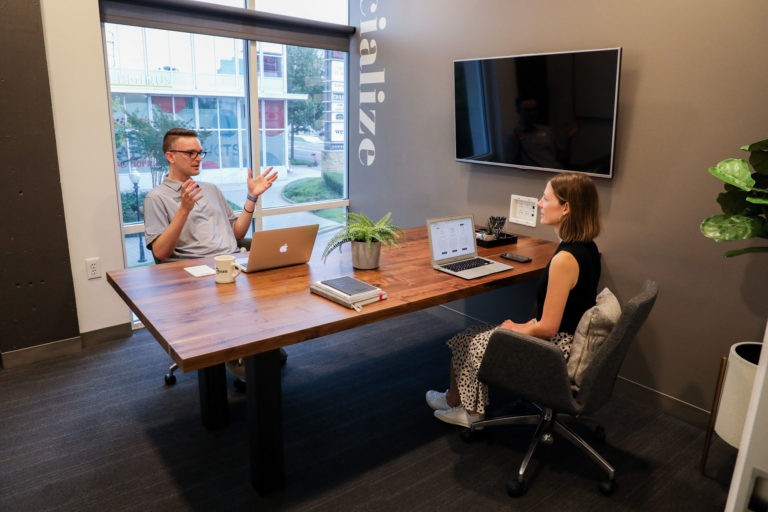
For businesses that only need professional space occasionally, booking meeting rooms as needed is a cost-effective approach. Client presentations, interviews, team strategy sessions, and quarterly reviews all benefit from a polished, properly equipped setting, but none of them require you to maintain that setting 365 days a year.
4. Virtual Office Services
If your primary need is a credible business address rather than physical workspace, virtual office services provide that without any of the physical overhead. You get a real business location on paper, mail handling, and often access to meeting rooms on an as-needed basis.
How to Know Which Option Fits Your Business
The right choice depends on a few honest questions about where your business actually is right now:
- How often does your team need to be in the same physical location? Daily presence justifies more permanent space. Weekly or monthly presence does not.
- Are client-facing meetings a regular part of your business? If so, professionalism and presentation matter, but you don’t necessarily need to own that environment full-time.
- How predictable is your revenue over the next 12 to 24 months? Greater flexibility in your workspace commitment protects cash flow during uncertain periods.
- Is your team growing, shrinking, or stable? Flexible workspace terms let you adjust without penalty. A commercial lease does not.
- Do you need a physical address for business registration or credibility purposes? That need can often be met without a full commercial lease.
There’s no universal answer. But for most growing businesses, the honest answer to several of those questions points toward flexibility over fixed commitment, at least in the early and middle stages of growth.
Where Roam Fits In
Roam was built for businesses that desire professional space without the weight of a traditional commercial lease. The model is straightforward: give business owners, entrepreneurs, and distributed teams access to thoughtfully designed, fully equipped workspaces on terms that actually match how modern businesses operate.
With locations across Metro Atlanta, Dallas-Fort Worth, and Greenville, Roam puts professional space in the markets where business gets done. Every location is designed with intention, staffed with hospitality in mind, and equipped with the technology your team needs to show up and perform.
Here’s what working at Roam looks like in practice:
- Coworking memberships on month-to-month terms with no long-term lease required
- Private offices for teams that need a dedicated, consistent space without a multi-year commitment
- Professional meeting rooms with complimentary A/V, no food and beverage minimums, and a personal meeting coordinator to handle the details
- A business community that fosters real connections across industries and company sizes
- Locations in Atlanta, Alpharetta, Buckhead, Dunwoody, Galleria, Peachtree Corners, Perimeter Center, Trilith, Dallas Grandscape, and Greenville
You get a real, professional business location without the down payment, the landlord negotiations, or the lease term that outlasts your current needs. It scales with you because it was designed to.
If your business is growing and you want a space that supports that growth without anchoring you to a fixed commitment, Roam is worth a serious look.
Explore Roam membership options and find your location today!